Valve Repair and Replacement
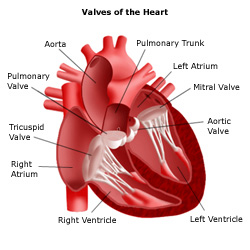
Heart valves are flaps, or leaflets, of tissue that ensure that blood entering or leaving the heart moves in the proper direction, with no backflow. The specialists at NewYork-Presbyterian Hospital/Weill Cornell Medical Center are leaders in the development and evaluation of novel, less invasive techniques for repairing and replacing damaged mitral, aortic, and pulmonary valves. Our team plays a leading role in the clinical trials assessing the latest percutaneous mitral and aortic valve replacement approaches, giving us more experience than most centers in these emerging new techniques.
We have achieved superior outcomes using these innovative approaches, which make valve replacement possible for many patients who cannot tolerate conventional heart surgery. We have exceptional experience caring for patients of all ages with complex health conditions.
Patients who come to us receive comprehensive care from a team with exceptional experience in the repair and replacement of heart valves. A patient can meet with cardiologists, surgeons, and other healthcare professionals in one day, in one convenient location, to obtain a diagnosis and recommendations for a treatment plan.
The optimal care of patients with valve disorders begins with an accurate diagnosis. Weill Cornell employs the latest ultrasound and CT technologies to obtain three-dimensional images of malfunctioning heart valves and peripheral vasculatures. Once a diagnosis is made, we determine the best course of treatment for each patient.
The valve procedures we perform include:
- Percutaneous mitral repair and aortic valve replacement, during which a synthetic valve or mitral clip is inserted into the heart via a catheter threaded through a blood vessel in the groin. This approach results in a smaller incision, shorter hospital stay, less post-operative pain, and faster recovery time compared with conventional surgery.
- Conventional valve replacement surgery, replacing the valve with a synthetic valve.
- Valve repair, during which the valve is restored to normal function by removing damaged or malformed tissue and surgically reattaching the edges.
NewYork-Presbyterian Hospital physicians have participated as investigators in two pivotal clinical trials which established the effectiveness of percutaneous (transcatheter) valve surgery:
- The PARTNER Trial, which in 2011 demonstrated that transcatheter aortic valve implantation (TAVI) was as effective as conventional open-heart surgery for reducing mortality among high-risk patients with aortic stenosis. In 2010, PARTNER Trial investigators reported that patients who were not candidates for surgery fared much better with TAVI than patients who were treated medically.
- The EVEREST II trial, which evaluated the percutaneous implantation of a clip that grasps and approximates the edges of the mitral valve leaflets. The percutaneous approach was associated with superior safety and similar improvements in clinical outcomes compared with conventional surgery.
- Assessing the Effectiveness of a Post-operative Follow-up Monitoring Program in the Reduction of Cardiac Surgery readmission Rates at 30 days is a study designed to evaluate the efficiency of a post-operative follow-up monitoring program. These programs are intended to reduce the readmission rate at 30 days after discharge from cardiac surgery. These surgeries include coronary artery bypass grafting, aortic valve replacement, mitral valve replacement, tricuspid valve surgery, any valve/coronary surgery, double/triple valve surgery, mitral valve repair, or any surgery of the aorta.
Weill Cornell offers eligible patients participation in the EVEREST II and PARTNER II clinical trials, which continue to evaluate transcatheter approaches for mitral and aortic valve replacement.